

Introduction
Asset Tokenization and Real Estate Tokenization are unlocking vast potential, paving the way from traditionally locked property wealth to liquid, investable assets. According to a 2024 report, the global tokenization market is projected to reach an astounding $16 billion by 2030, growing at a CAGR of 24 %. Moreover, real estate will likely account for a substantial chunk—with estimates suggesting $4‑5 billion allocated to tokenized real estate by 2028. These figures highlight how Asset Tokenization and Real Estate Tokenization serve as catalysts, transforming illiquid ownership into easily tradable digital shares and offering everyday investors exposure to property markets worldwide.
What Is Asset Tokenization?
Asset Tokenization refers to converting rights to real-world assets into digital tokens on a blockchain. In simple terms, you digitize ownership of a house, art piece, or even a commercial building. As a result, an investor can purchase fractions of the asset and trade them easily on digital platforms. Importantly, blockchain ensures transparency, traceability, and efficiency. Because the process uses smart contracts, it reduces the friction of traditional transactions, such as lengthy escrow periods or high brokerage fees.
By applying Asset Tokenization, financial systems can bridge old-school property ownership and modern, digital equity models. In turn, this fosters liquidity and opens the door for smaller investors to participate in assets once reserved for the ultra-wealthy.
How Real Estate Tokenization Works
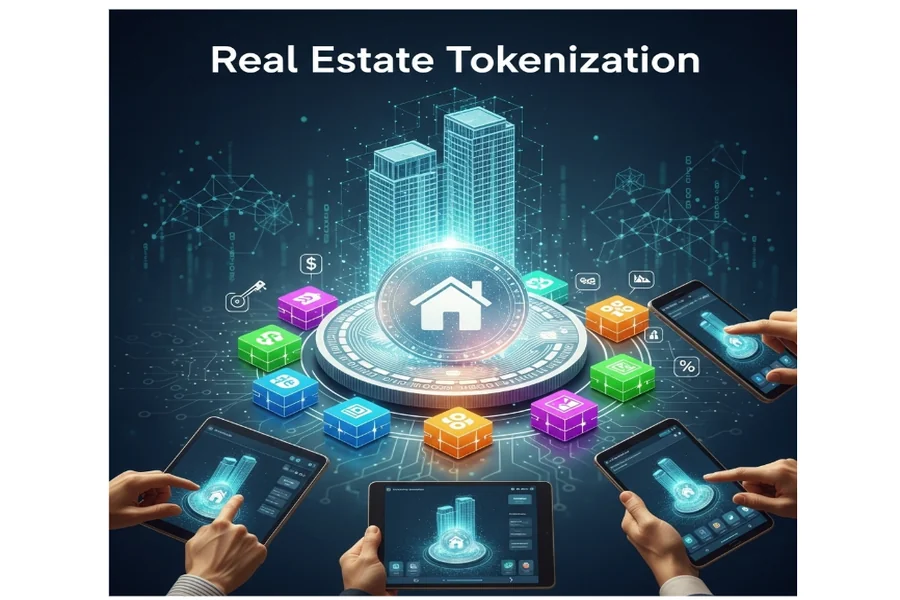
Real Estate Tokenization is a practical application of Asset Tokenization, focusing on property. Here’s how it generally works:
- A property, such as a rental estate or commercial building, gets appraised and valued.
- The asset owner creates a legal Special Purpose Vehicle (SPV) to hold the property.
- The SPV issues digital tokens—each token represents a proportional ownership share.
- Regulators approve the token issuance, ensuring compliance with securities laws.
- Investors buy tokens via digital platforms and can later sell them in secondary markets.
Because of blockchain’s instant settlement, transactions often complete in minutes—not days. As a result, tokenized real estate becomes highly liquid compared to traditional real estate, where closing takes weeks.
Why Real Estate Tokenization Is Trending
Firstly, Real Estate Tokenization democratizes property investment. Instead of buying an entire apartment building for millions, investors can acquire tokens worth a few hundred dollars. According to a 2023 study, fractional investing increased property market participation by 30 % among younger demographics.
Secondly, it enhances liquidity and flexibility. Investors can enter or exit positions quickly and easily, without needing to sell an entire property.
Thirdly, using distributed ledger technology improves transparency. All token movements, ownership changes, and transaction histories exist on-chain, increasing trust and reducing fraud risk.
Moreover, as global real estate markets remain hot—some regions saw 5–8 % annual appreciation—tokenized real estate becomes a way for investors to tap into global growth efficiently, using digital platforms, even from remote locations.
Benefits of Tokenizing Property
Here are some core advantages:
- Accessibility: Small investors can own property slices for as little as $50–$100.
- Liquidity: In secondary markets, tokens trade 24/7, enabling quick exits and entries.
- Transparency and Security: Blockchain’s immutable ledger confirms ownership and transaction history, reducing fraud.
- Cost-efficient: Automated processes lower legal, escrow, and agent fees—saving up to 30 % per deal compared to traditional real estate.
- Global Diversification: Investors across the world gain exposure to promising real estate markets without cross-border complexity.
Thanks to Real Estate Tokenization, property investment becomes inclusive, agile, and modern.
Challenges and Considerations
Despite its potential, Asset Tokenization and Real Estate Tokenization face hurdles:
- Regulatory uncertainty: Many jurisdictions lack clear tokenized securities laws, and navigating compliance remains complex.
- Valuation difficulties: Determining fair market value of underlying assets can be tricky.
- Liquidity caveats: While secondary markets promise liquidity, early-stage platforms may still suffer low trading volumes.
- Technology risks: Smart contract bugs or blockchain vulnerabilities pose threats if platforms are not secure.
Nevertheless, regulatory frameworks are gradually catching up. In the U.S., for instance, the SEC has begun clarifying token rules, and countries like Switzerland and Singapore already offer supportive legal environments.
The Road Ahead: The Future of Property Tokenization
Looking forward, the trajectory of Asset Tokenization and Real Estate Tokenization appears promising. Major financial institutions and real estate developers are launching pilot programs. By 2030, analysts forecast that up to 10 % of global real estate investment may occur via tokenized platforms.
Additionally, innovations like token-backed lending and real-time rental income distribution could emerge. Imagine receiving rental dividends automatically, split across thousands of token holders each month via smart contracts—that’s the ideal future these technologies envision.
As infrastructure matures, more platforms will integrate seamlessly with digital wallets and global investors. This transformation could revolutionize property ownership, aligning it with the convenience, transparency, and efficiency of modern finance.
Conclusion
In summary, Asset Tokenization and Real Estate Tokenization are reshaping how we interact with property—turning once-locked assets into liquid wealth. With growing market projections, increasing regulatory clarity, and expanding platform offerings, the future seems vibrant. As fractional, blockchain-powered investment continues gaining traction, both seasoned and new investors can access global property markets like never before. Embrace tokenized real estate today, and participate in the dawn of a more inclusive, transparent, and dynamic era of property investing.
